
Placing a first outdoor furniture order with a factory in China is not simply a matter of choosing a few products and asking for a price. It asks the buyer to make decisions that a local stock supplier would normally make on their behalf: which models belong together, how much stock is practical, which sample is the production reference, how the cartons should work and who is responsible for each step before shipment.
That can be worthwhile for a European furniture brand, importer, retailer or project supplier with a clear range plan. It is less suitable for a buyer who needs a few mixed pieces immediately, has not decided how the products will be sold, or cannot yet commit to a workable production quantity.
This guide explains how to plan a first made-to-order outdoor furniture programme. It is written for buyers considering metal and rope outdoor furniture from a factory in Foshan. It does not replace a buyer’s own commercial, legal, logistics or product-safety review for the destination market.
Start by choosing the right supply route
There are three common ways to buy outdoor furniture. None is automatically better than the others.
Local stock supply is the sensible choice when speed, small quantities and simple replenishment matter more than a tailored product programme. The buyer trades some choice and price control for convenience.
An importer or local wholesaler can work well when a buyer wants access to a curated range, local account support and lower operational involvement. The buyer is not usually managing the factory relationship directly.
Direct factory purchasing makes more sense when the buyer has a range direction, can consolidate a meaningful order, needs defined finishes or packaging, and expects to reorder. It creates more control, but it also creates more work. Someone must approve the sample, retain the specification, review the packaging and coordinate the shipment handover.
That is the first decision. A factory quotation is not useful if the buyer has not decided whether a factory-order model fits the business.
Check whether the first order is commercially workable
MOQ is not a number to negotiate in isolation. It is connected to materials, colour options, production methods, packaging and the number of models in the order.
For our standard programmes, a practical starting point is usually 100 chairs or 50 tables. That is not a promise that every model, colour or custom version can be produced at that level. It is a starting point for a conversation. The workable quantity changes when a buyer introduces several rope colours, non-standard frame finishes, custom packaging or a mixed collection with unrelated components.
Before asking a factory to reduce MOQ, answer these questions:
- Which sales channel will carry the range: retail, e-commerce, wholesale, hospitality or a project?
- Will the order use existing models, or does it require a new design or special component?
- Which models share frame finishes, rope, fabric or packaging?
- Can the buyer support a repeat order if one model sells well?
- How much warehouse space, cash and seasonal risk can the business carry?
A smaller first order can still be sensible. But it is often easier to make it practical by reducing the number of finishes or concentrating on existing product configurations, rather than trying to force every product choice into a very small quantity.
Build a range, not a shopping list
A first collection should have a reason for every product. Buyers often begin by selecting every chair they like. That produces a scattered RFQ, inconsistent finishes and a quantity too thin to manufacture efficiently.
Start instead with the customer journey. A garden retailer may need a compact dining set, a stackable dining chair and one higher-value lounge option. A hospitality supplier may begin with contract-style dining seating and tables that suit a repeatable commercial specification. An online retailer may put more attention into assembly, carton dimensions, accessory packs and the unboxing experience.
The collection-direction article can help with the first choice of product families. Read the European outdoor furniture collection directions guide before asking for samples if the range itself is still undecided.
Where the collection depends on metal construction, compare the practical frame and finish choices in our outdoor metal furniture guide. If rope is part of the range, use the rope material guide to make the requested material and weave direction specific before sampling.
For a first factory order, three to six coordinated models are often easier to manage than a catalogue-wide selection. That gives the buyer enough choice to build a range while keeping finishes, packaging and approval work under control.
Send an RFQ that can actually be compared
Factories cannot provide comparable quotations from a one-line request such as “Please quote outdoor chairs for Europe.” The useful RFQ is not necessarily long. It simply makes the unknowns visible.
For each product, include:
- Product photo, existing model reference or drawing
- Target sales channel and intended use
- Estimated quantity for the first order and expected reorder potential
- Frame material and desired finish or colour reference
- Rope, fabric, cushion or tabletop direction where applicable
- Dimensions or critical size limits
- Packaging priorities, such as retail carton, KD construction or stacking
- Destination country and target launch period
- Required instructions, labels, technical information or test support
Ask each supplier to show the scope of its quotation, not only the unit price. The buyer should know whether the proposal assumes an existing model, what packaging is included, which custom elements are included, what still needs approval and what could change the quotation later.
A low price that omits the desired carton, hardware pack or finish is not yet a low price. It is an incomplete scope.
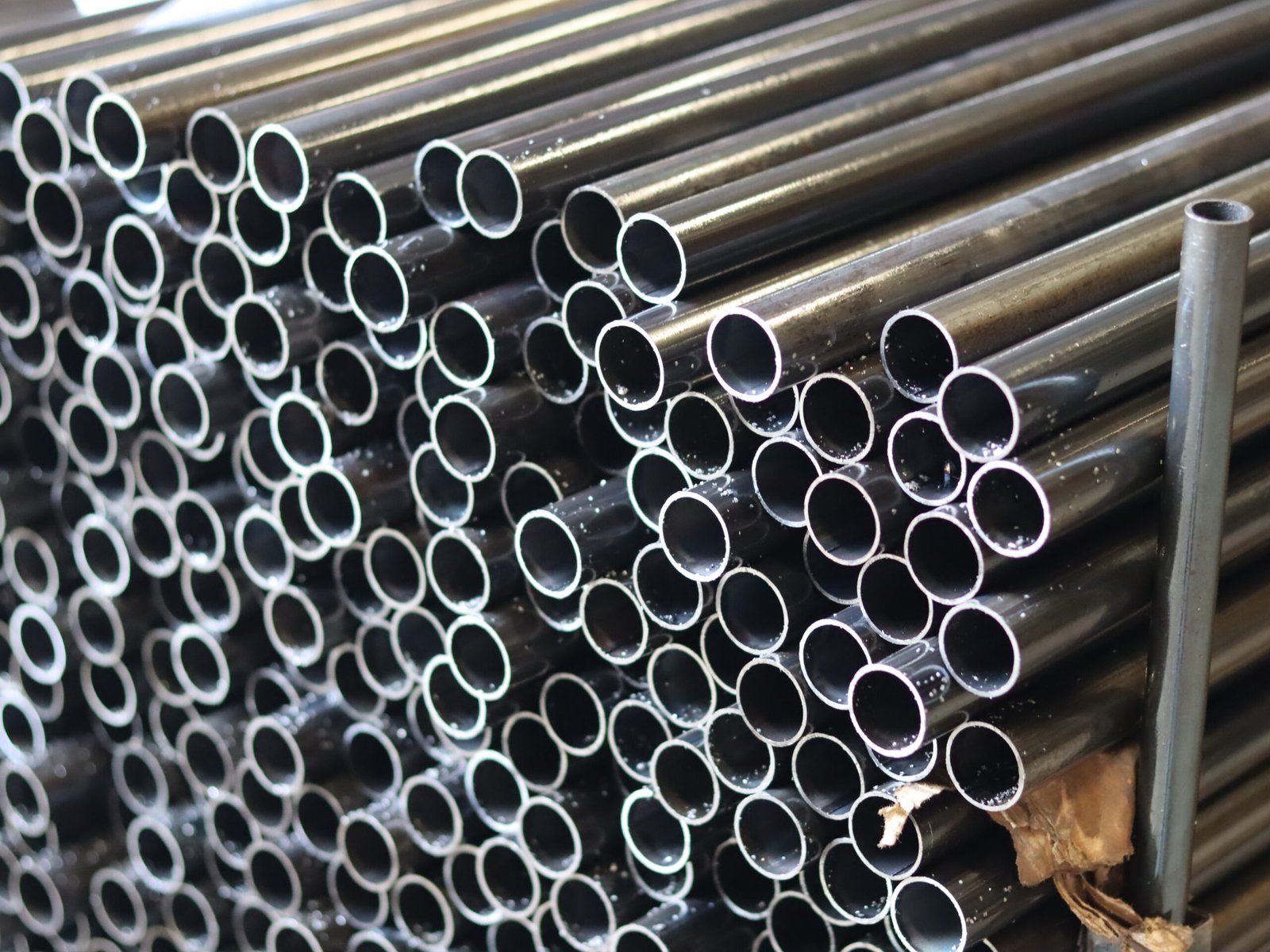
Use the sample as a decision tool
A sample is not a formality before the deposit. It is the point at which a buyer decides whether the product can become part of the range and what bulk production will be measured against.
Review the sample in the way the end customer will use it. Assemble it if it is supplied KD. Sit on it. Check the footprint, table height, arm clearance, movement, stability and finish. Look at rope tension and the consistency of the weave. Check the hardware pack, instructions and any part that will be handled by the end user.
Then record the result. “Looks good” in a chat message is not a production specification. A useful approval note identifies the model, the version, the finish, the materials, the agreed changes and the status of packaging and instructions.
For the factory side of this process, see our OEM and ODM outdoor furniture development guide. It explains how a product brief moves into sampling and a controlled production specification.
The separate EN 581 buyer guide explains how a buyer should review relevant reports for an outdoor seating or table programme. It should be used alongside sample approval, not as a substitute for it.
Freeze the product before bulk production
Most first-order problems are not caused by a dramatic factory failure. They happen because a small detail changed without being recorded: the bolt bag was moved, the rope was substituted, the carton was simplified, the label did not match the buyer’s SKU or the revised cushion fabric was never added to the final specification.
Before bulk production starts, the buyer and factory should have one usable reference set. It should include the approved sample notes, final drawings or dimensions, material and colour references, component choices, packaging direction, carton marks, assembly information and the current product identifier.
If the order is destined for EU markets, the buyer should also decide early which company roles, product identifiers, instructions, warnings and accompanying information are required for the selected product and country. Our EU documentation and traceability guide explains the records that need to follow the product rather than live only in email threads.
Work backwards from the selling season
Outdoor furniture is seasonal, but every buyer’s calendar is different. A retailer may need stock in its warehouse well before a selling period. A hospitality project may have a fixed installation date. An e-commerce buyer may need time for photography, listing work, warehouse intake and customer-service preparation.
Our usual production lead time is 45–60 days after order confirmation. The actual schedule still depends on the selected models, materials, finishes, quantity, production capacity, packaging and the timing of final approvals. Production time is only one part of the calendar. Sample work, approval cycles, inspection, export booking, transport, customs arrangements and warehouse intake need their own time.
A good first-order calendar begins at the desired on-sale or project-ready date and moves backwards. Do not set the deposit date first and hope that every later step fits.
- When must the goods be available for the buyer’s warehouse, project or sales launch?
- How long will the buyer need to evaluate and approve samples?
- When must packaging, labels and instructions be complete?
- When should production be ready for inspection?
- Who will handle the export and shipping handover?
Agree the quality-control and packing checkpoints
Quality control becomes practical when it has a reference. The approved sample and written specification give production checks a clear target. Without them, a factory and buyer can both believe they are checking quality while still judging different versions of the product.
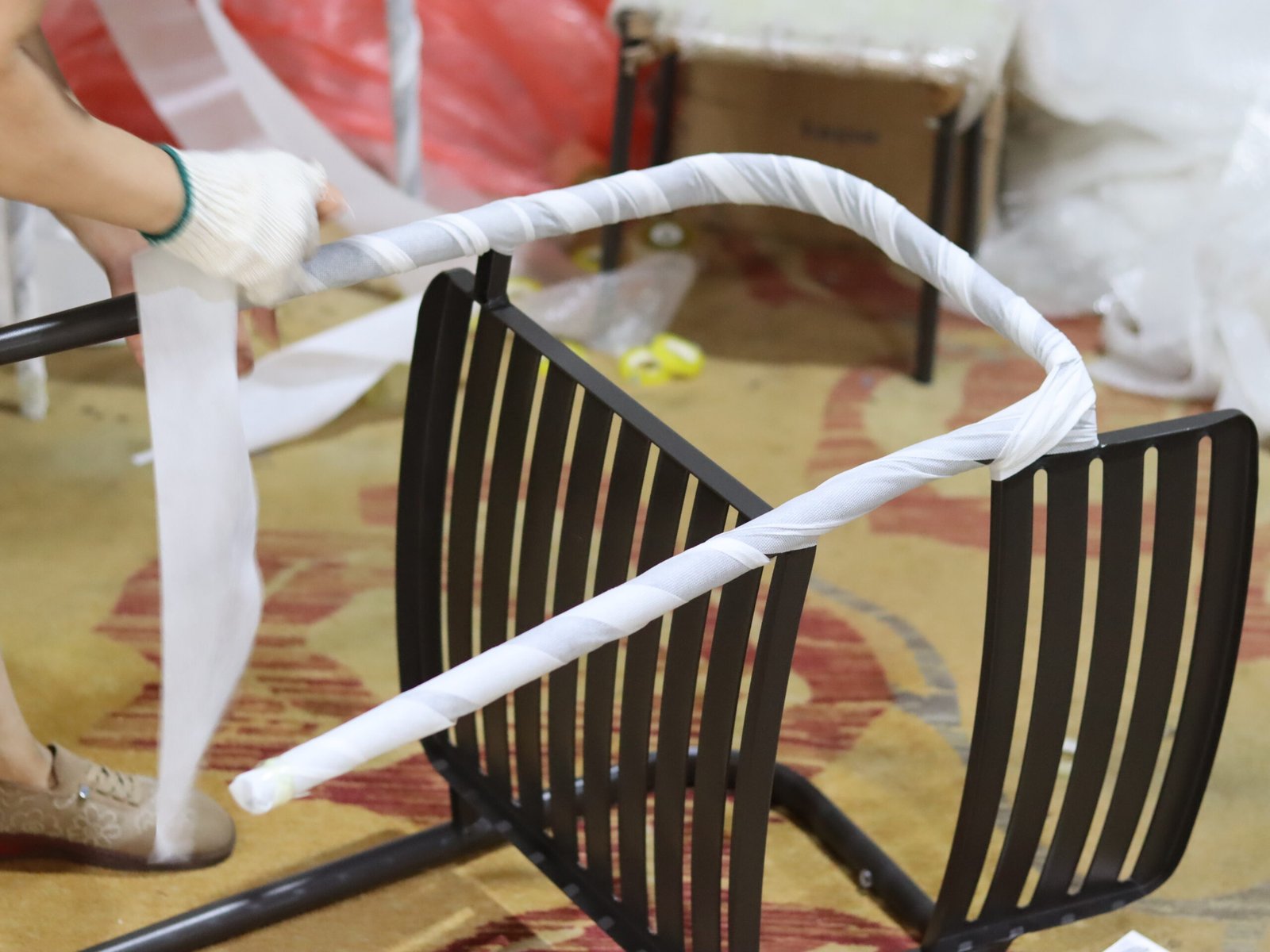
Agree the checkpoints before production: what will be compared at first article, what needs attention during production, who reviews the packing method, how accessory packs are checked and what has to be present before the goods are released for shipment.
The outdoor furniture quality-control checklist gives a more detailed sequence for approved samples, production checks, pre-shipment review and packing. Use it to turn broad statements such as “strict quality control” into specific checks.
Define the shipping handover without making assumptions
A factory can prepare goods for export, but the buyer still needs clarity on who controls each handover. The order should identify the required shipping terms, the responsible party for booking and freight coordination, the destination details, required export documents and the point at which the goods will be inspected and accepted.
Do not assume that a quoted delivery phrase covers every local cost, document or destination requirement. Ask for the scope in writing and review it with the buyer’s own freight forwarder, broker or logistics adviser where appropriate.
This article deliberately does not quote fixed container quantities, freight costs or customs rates. Those figures depend on the exact product, carton, destination, route and timing. The next article in this theme cluster will address how product design and packing affect landed cost without turning an estimate into a promise.
A first-order readiness check
A buyer is usually ready to move from enquiry to sampling when the answers to these questions are clear:
- We know who will buy the range and how we will sell it.
- We have selected a focused product programme rather than a random list of SKUs.
- We can discuss a realistic quantity, finish mix and reorder plan.
- We know what the sample must prove before we approve bulk production.
- We can provide or approve packaging, label, instruction and product-information requirements in time.
- We have a launch or project schedule that includes sample approval, production, inspection and shipping handover.
- We know who owns each document and decision on the buyer side.
If several answers are still unclear, the right next step is usually not a bulk order. It is a tighter product brief, a sample discussion or a smaller programme built around existing configurations.
Start with a clearer brief
Colors Furniture manufactures metal and rope outdoor furniture in Foshan for made-to-order B2B programmes. We work with brands, importers, wholesalers, retailers and hospitality buyers who need a defined product route rather than a generic catalogue quote.
Send the product categories you are considering, target countries, buyer type, estimated quantities, finish direction, packaging requirements, requested documents and target timing. We can then review whether a product selection, sample route and order structure are workable. Explore our support for European buyers or request a catalogue and factory quote.